ARIS: Valorising Agro-Food Waste through Innovative Biodegradable Membranes

The ARIS project emerged from the need to replace traditional air-quality filters, generally made from non-biodegradable synthetic polymers that generate waste that is difficult to manage at the end of their life cycle. The challenge was to develop high-performance filtering materials obtained from renewable biomass and agro-industrial by-products, combining efficiency, safety and biodegradability. The project operates at the intersection of the agri-food sector, advanced biomaterials, air quality and the circular economy.  
0
Bioeconomy
0
Ecodesign
0
Low-impact Textiles
Artificial Intelligence
Digital Product Passport
0
Traceability
0
Circular Business Models
0
Life-Cycle Thinking
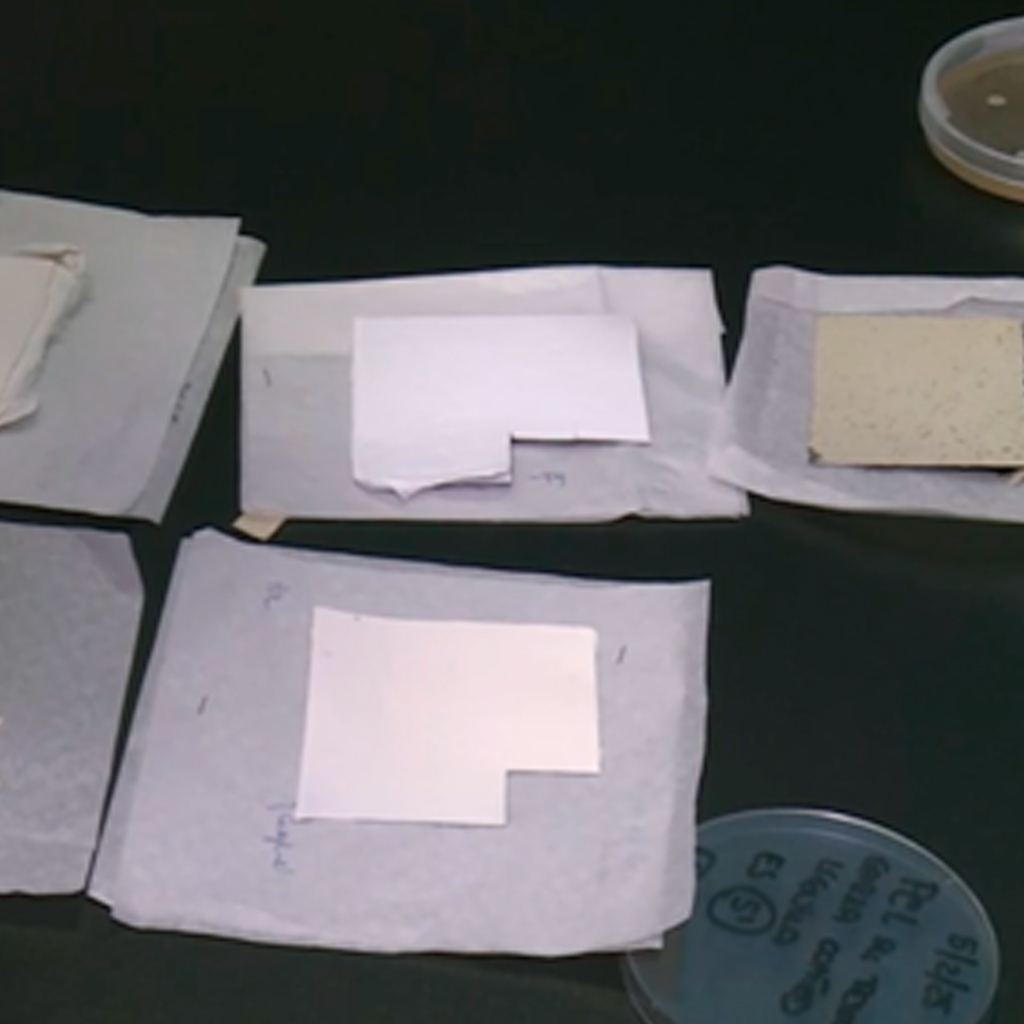
ARIS developed filtering membranes through the electrospinning of fibroin recovered from discarded silkworm cocoons, deposited onto natural cotton supports. The process uses water as a solvent, avoiding organic solvents and reducing environmental impact. The membranes can be functionalised with polyphenols extracted from olive mill wastewater, further valorising agro-industrial by-products. The waste hierarchy is applied through the recovery of agricultural and agro-industrial waste, its transformation into high-value materials, and the design of biodegradable and compostable products. The project also validated the transition from laboratory to pilot scale, demonstrating the potential for industrialisation. ARIS integrates four elements that are rarely found together in a single solution: raw materials recovered from waste, a water-based green production process, high filtration performance and end-of-life biodegradability. Unlike conventional synthetic filters, the material was developed according to circular bioeconomy principles and validated through a prototype demonstration in an operational environment, reaching TRL6. A further distinctive element is the combined valorisation of unused silk cocoons and by-products from the olive oil industry, contributing to the development of new high-value supply chains.  
The design choice is supported by measurement through simplified or partial indicators. ARIS demonstrated the pilot-scale production of natural filtering membranes with high air-filtration performance and no significant emissions of VOCs or nanoparticles. The materials are fully disintegrable and biodegradable under domestic composting conditions. The project also developed a functional prototype validated under simulated operating conditions, reaching TRL6. The main impact consists of valorising waste from the silk and agri-food sectors to produce high-performance materials, reducing reliance on synthetic polymers and promoting circular economy models.  

TEAM
ARIS Team: ENEA Brindisi, including Dr Valerio Miceli, Scientific Coordinator of ENEA activities; CNR-ISOF Bologna, including Dr Tamara Posati, Project Coordinator; CNR-ISAC Bologna; CNR-ISAC Lecce; University of Ferrara; Kerline S.r.l.; Fondazione Ecosister.