MITIS – Bioplastics from Mussel Shells

MITIS originates from a critical reflection on the Anthropocene, an era in which human activity has altered natural balances through pollution, resource exploitation and the spread of synthetic materials. The project examines the effects of bottom trawling, ocean acidification and the accumulation of anthropogenic residues, phenomena that threaten marine biodiversity. In response, it proposes an experimental design approach oriented towards a post-Anthropocene perspective, based on the recovery, regeneration and valorisation of biological waste. The objective is to develop sustainable biomaterials from mussel shells, transforming organic waste into an innovative resource for design.  
0
Bioeconomy
0
Ecodesign
Low-impact Textiles
Artificial Intelligence
Digital Product Passport
Traceability
0
Circular Business Models
0
Life-Cycle Thinking
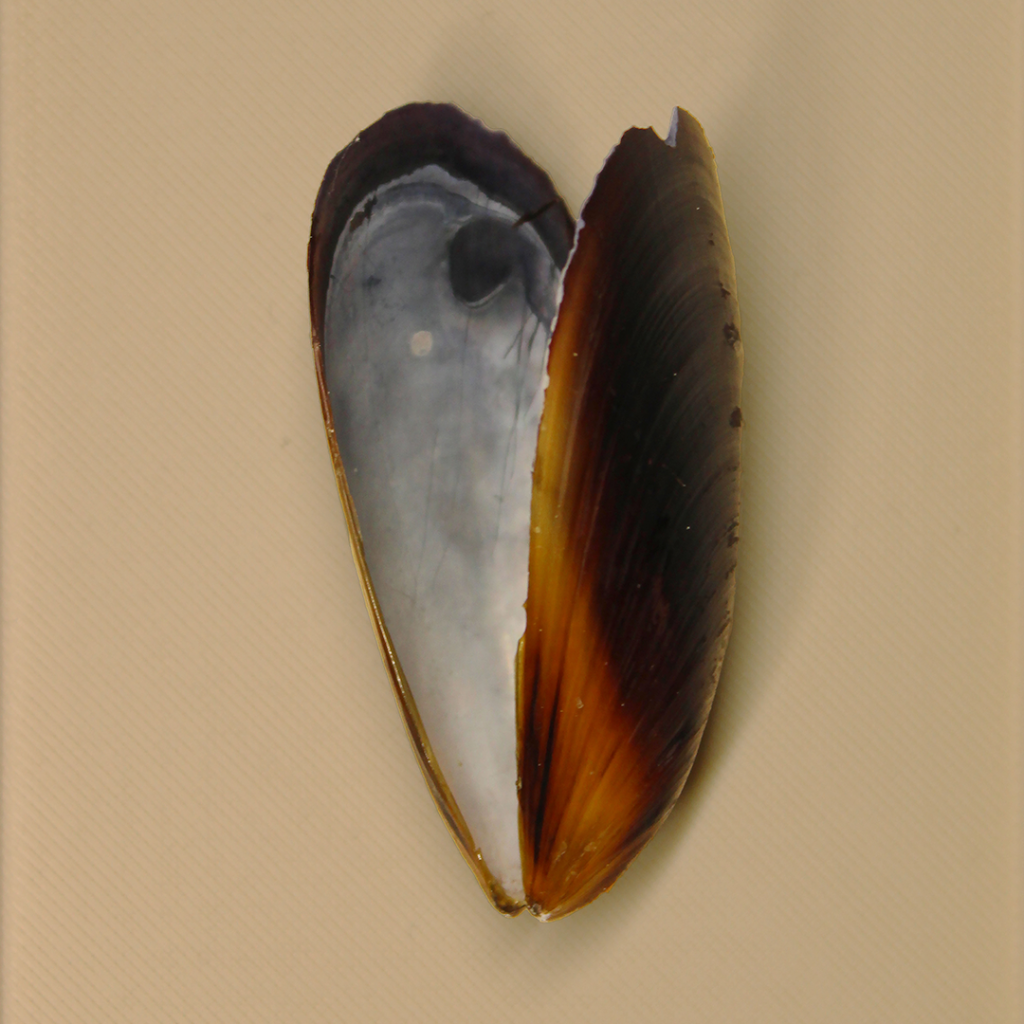
MITIS transforms the shells of Mytilus galloprovincialis, currently classified as special waste and costly to dispose of for mussel farmers, into a self-produced bioplastic. The shells consist of 95–98% calcium carbonate, a biomaterial with an already ordered structure. Once ground into powder, they are used as a mineral filler in two formulations: MITIS 1, composed of shell powder, corn starch, glycerine, water and vinegar, producing a rigid material; and MITIS 2, composed of shell powder, gelatine, glycerine and soap, producing a soft material. The project adopts an eco-design approach based on the use of waste rather than raw materials extracted from quarries. The extensive mussel-farming supply chain is considered inherently beneficial, as it does not require feed and performs a purifying function. The process uses bio-based binders, has a low technological complexity and requires limited energy input. Within the waste hierarchy, the shell is redirected from disposal towards recycling and upcycling. Replacing virgin raw materials and fossil-based plastics also contributes to waste prevention. The biodegradable end-of-life phase makes it possible to close the biological cycle by returning calcium to the soil. MITIS is distinguished by the intended use of the shell. Some comparable solutions, such as an experimental project in Puglia involving biocompatible concrete, use powdered shells as an inert substitute for raw materials extracted from quarries, dispersing them within an irreversible mineral matrix. MITIS instead uses the shell as the main component of an autonomous, reversible and biodegradable bioplastic.  
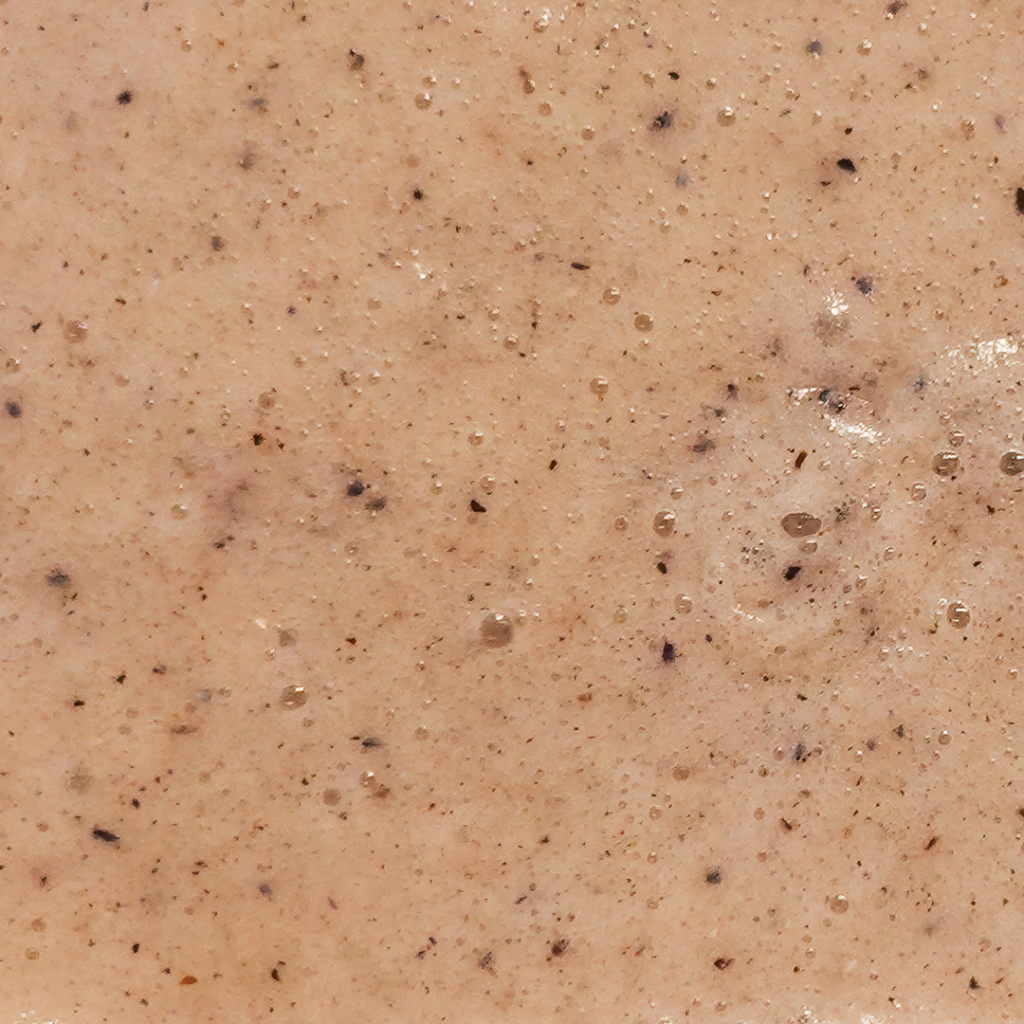
Compared with agricultural bioplastics based, for example, on starch or PLA, the project does not require land or food crops, as it uses waste that already exists and is concentrated within mussel-farming facilities. The dual formulation, rigid with corn starch and soft with gelatine, also makes it possible to obtain two distinct materials from the same powder. The design choice is not yet supported by measurement, but measurement is planned. The project is currently in the research and prototyping phase (TRL 3–4). The shell-processing cycle has been developed through the stages of collection, fragmentation, grinding and powder production. Two formulations have also been validated through self-production: MITIS 1, a rigid starch-based material, and MITIS 2, a soft gelatine-based material. Both formulations were sensorially characterised using ten bipolar scales addressing properties such as glossy/matt, hard/soft, smooth/rough and wet/dry. The results indicated a greyish colour, a rough texture and differentiated consistencies. The estimated potential concerns the complete recovery of a waste material currently classified as special waste, with a possible reduction in disposal costs for mussel farmers. The calcium carbonate contained in the shells can replace raw materials extracted from quarries. LCA studies, standardised mechanical tests and quantifications of avoided emissions have not yet been carried out. No awards or recognitions have been obtained.  

TEAM
Arianna Franceschi

SUPERVISOR
Elena Rausse