Best Practices Corner

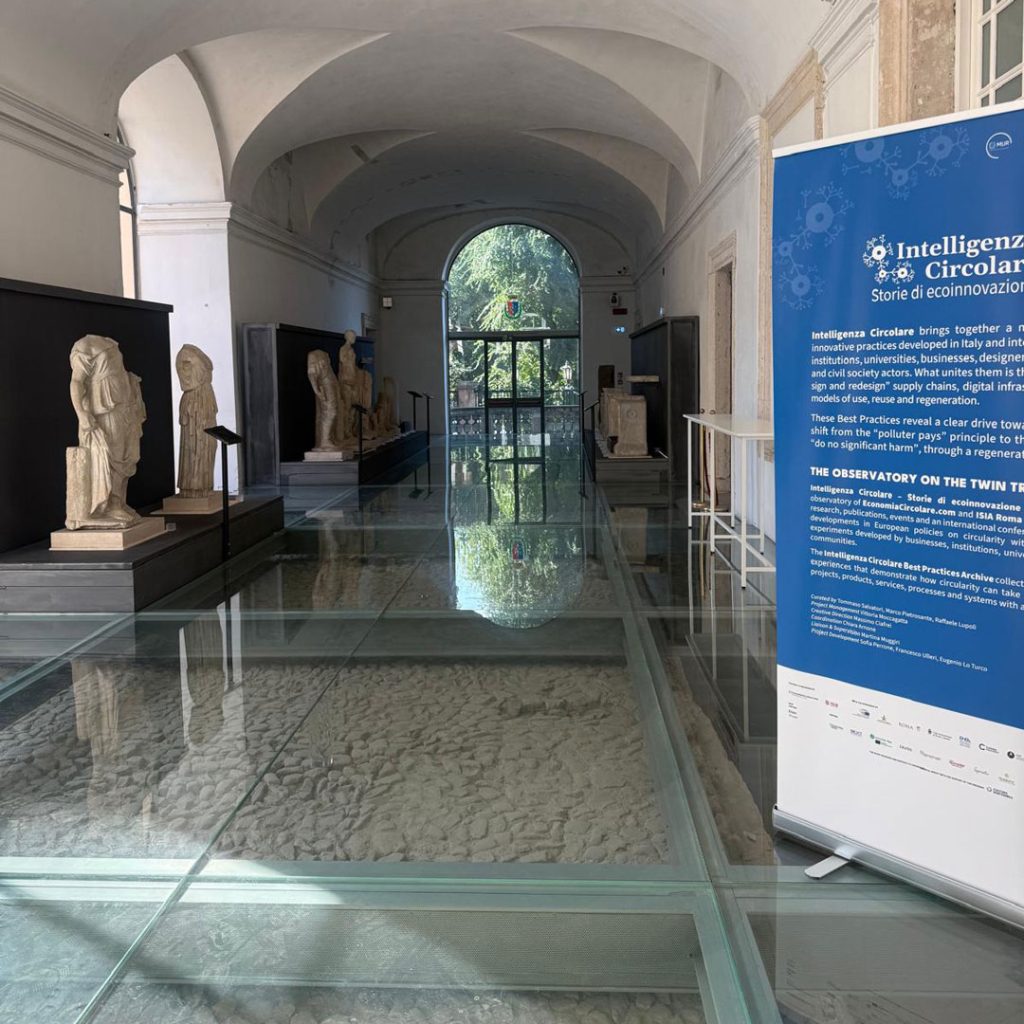
Intelligenza Circolare brings together a mosaic of eco-
innovative practices developed in Italy and internationally by institutions, universities, businesses, designers, foundations and civil society actors. What unites them is the need to “design and redesign” supply chains, digital infrastructures, and models of use, reuse and regeneration.

These Best Practices reveal a clear drive towards a cultural shift from the “polluter pays” principle to the principle of “do no significant harm”, through a regenerative approach.


Curated by Tommaso Salvatori, Marco Pietrosante, Raffaele Lupoli
Project Management Vittoria Moccagatta
Creative Direction Massimo Ciafrei
Coordination Chiara Arnone
Liaison & Supervision Martina Muggiri
Project Development Sofia Perrone, Francesco Ulleri, Eugenio Lo Turco


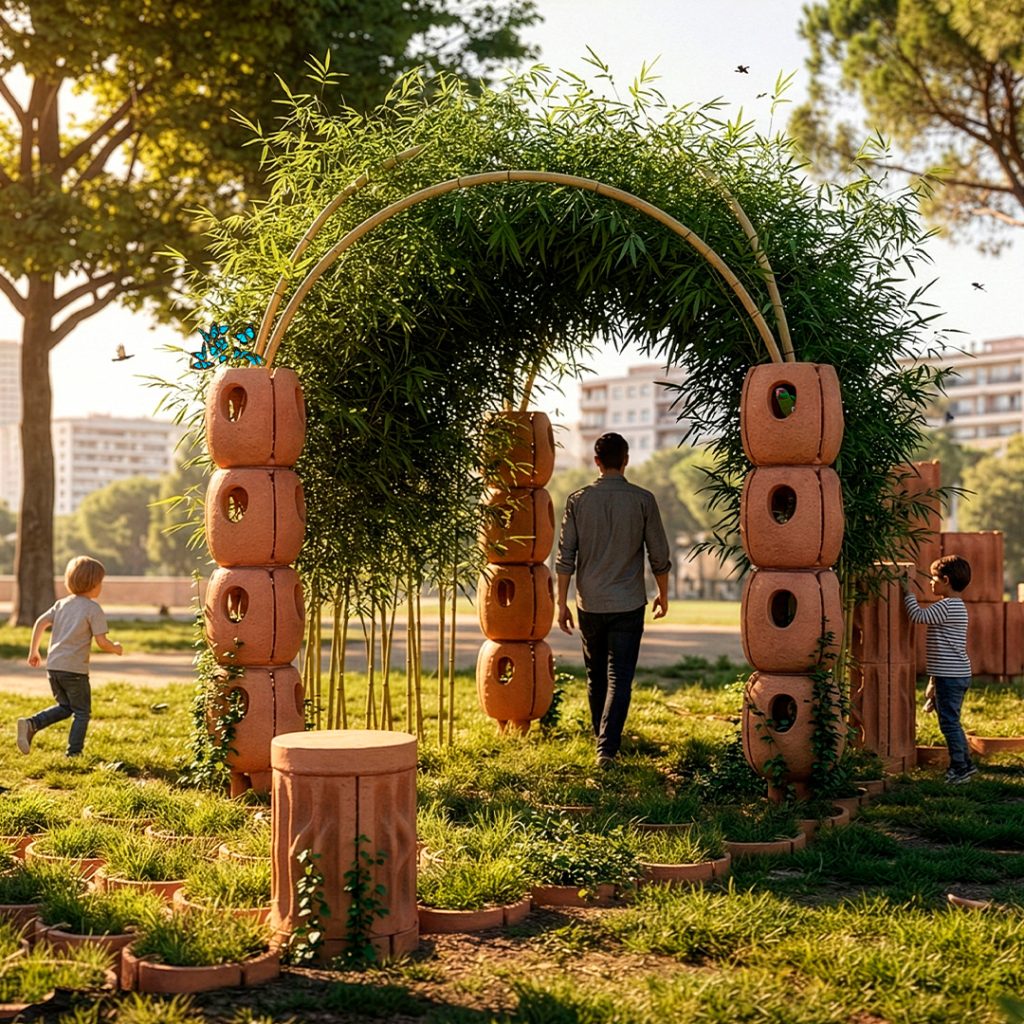
Co-inhabited Landing
ISIA Faenza

The project aims to offer an integrated perspective on the nature of the problem and on possible interventions. It does not seek to compete with similar design approaches, but rather rejects a competitive framework.

> Discover more

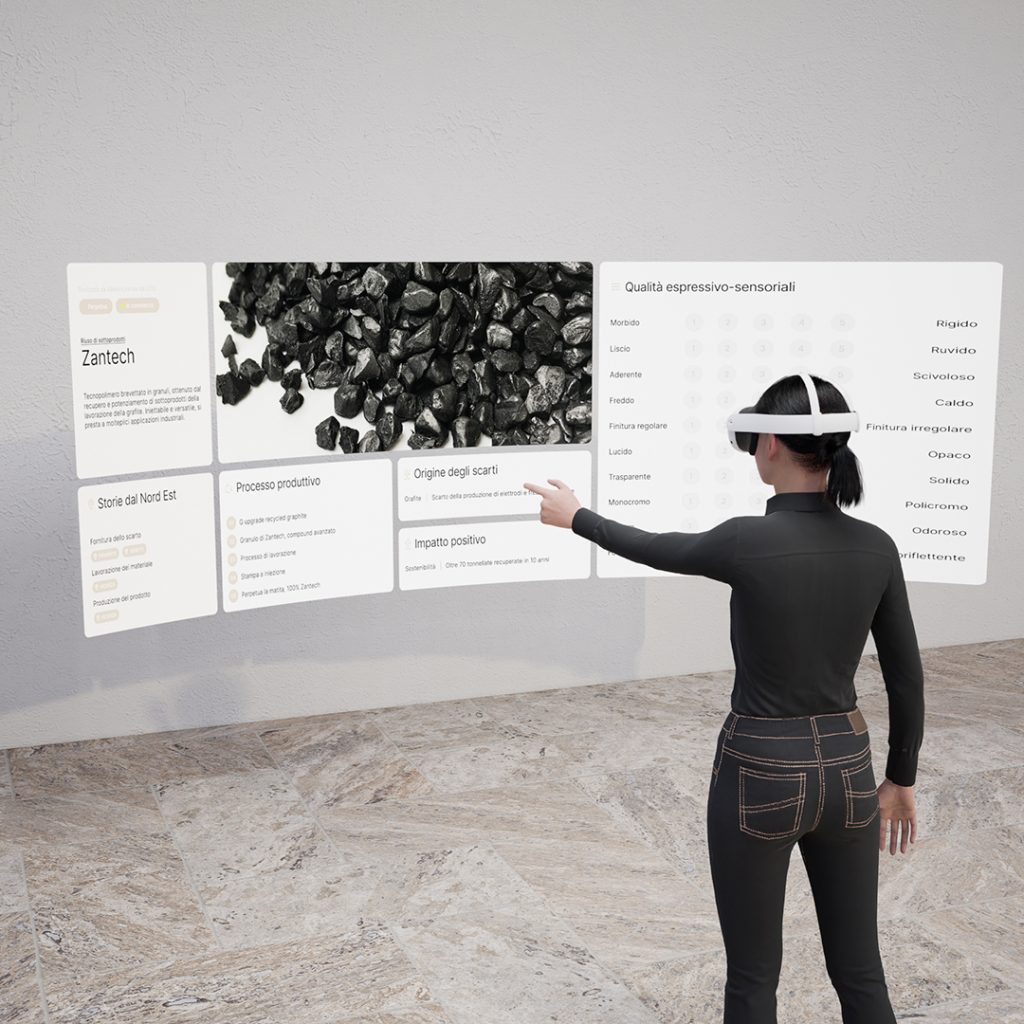
Material Exploratory
Università Iuav di Venezia

The project addresses the dynamics governing the perception and management of waste and the materials derived from it, through established and experimental reuse and recycling processes. Its objective is to present the North-Eastern Italian territory from a circular perspective, exploring the material flows occurring within it and highlighting collaborative practices among companies working on the recovery and reuse of material resources.

> Discover more

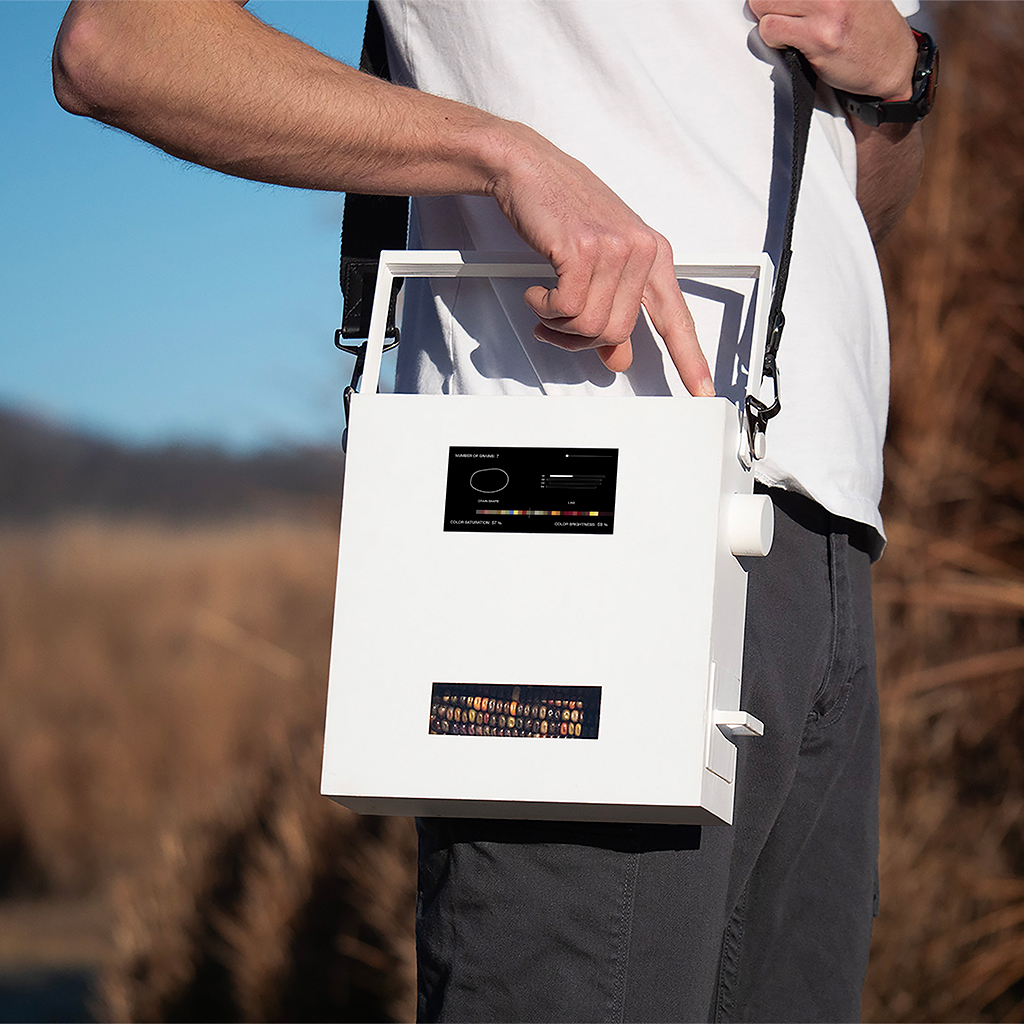
ZEA – Biodiversity Translator
Politecnico di Milano

ZEA was developed within the Final Synthesis Laboratory at Politecnico di Milano, which focused that year on the exploration of raw materials. Our group was assigned the corn supply chain, through which we investigated the progressive loss of genetic biodiversity in the crop, caused by decades of intensive monoculture and the spread of GMO varieties, to the detriment of local varieties.Rather than proposing a technical solution, the project addresses this issue through an awareness-raising tool. ZEA makes the morphological and chromatic richness of corn varieties at risk of disappearing perceptible through sound, transforming an issue that is normally invisible to consumers into a direct and engaging experience. The aim is to promote greater awareness of the value of agricultural biodiversity and the need to preserve it.

> Discover more

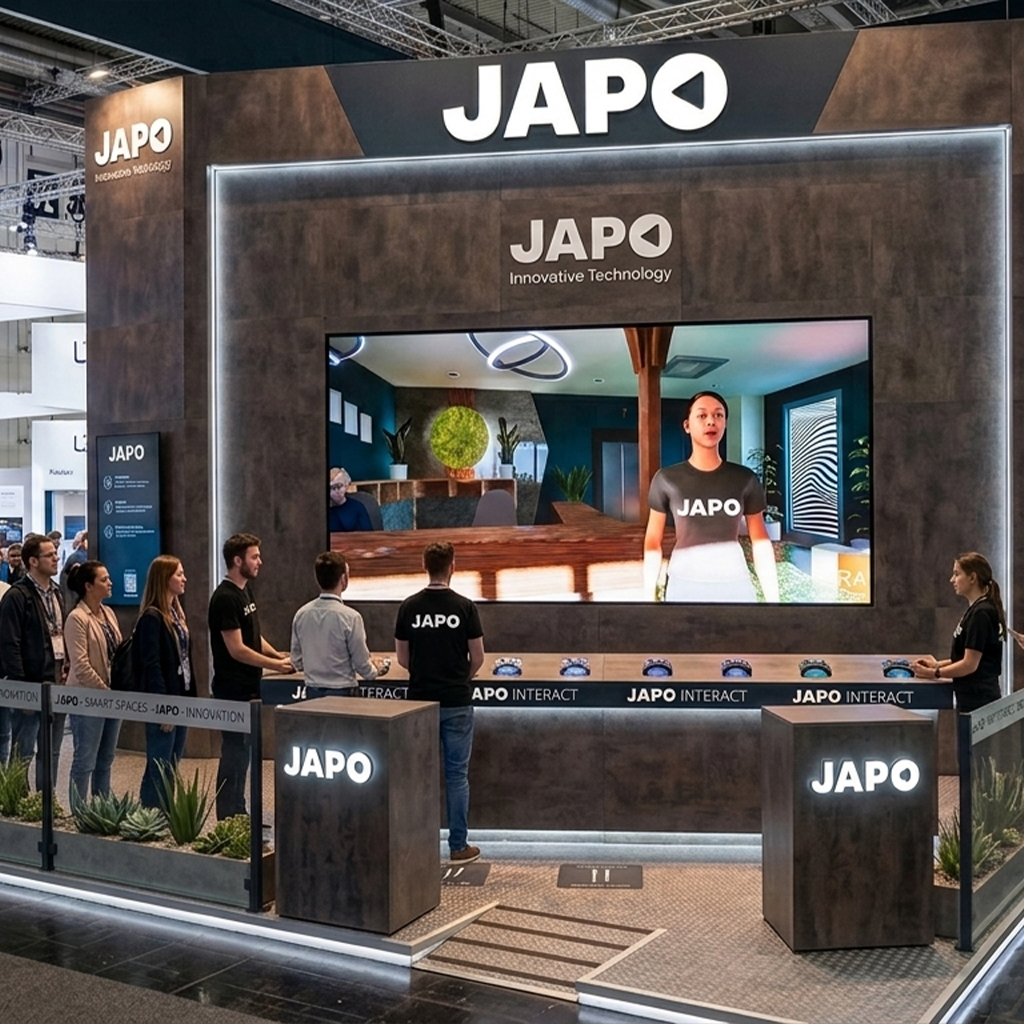
Real-time Digital Twin and Conversational AI for Low-impact B2B Trade Fairs
StudioJAPO

The project was developed to address the high environmental and logistical impact of trade fairs and B2B events. Traditionally, the presentation of industrial machinery, prototypes and temporary installations involves significant CO₂ emissions from cross-border transportation, as well as the production of single-use waste, including wooden structures, plastic materials and printed catalogues. studioJAPO operates within the field of digital services for businesses and experiential marketing, proposing technological dematerialisation as a concrete response to the decarbonisation and ecological transition of commercial events.

> Discover more

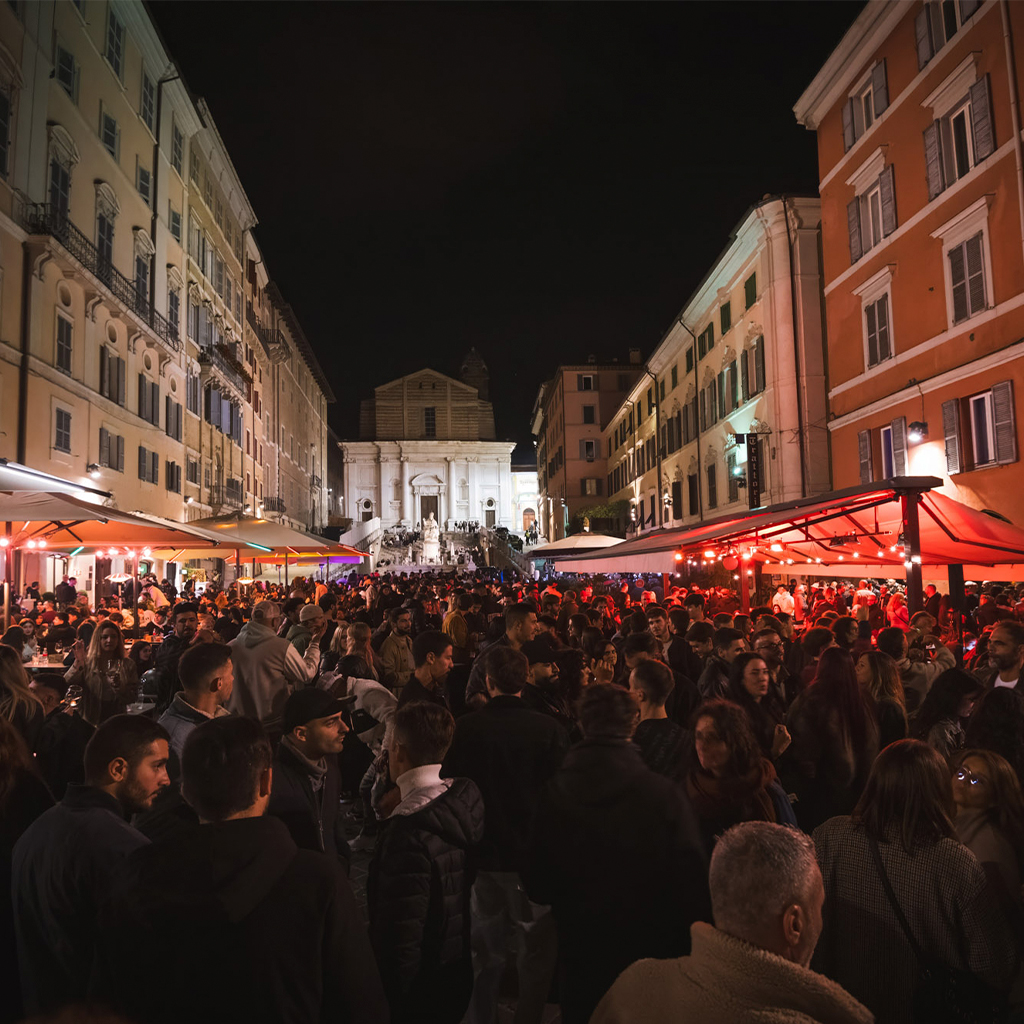
Circular Night – Solar-powered Electronic Music and Light Art

Green Loop Festival / VITAMINAC

The format makes sustainability a visible and functional component of the performance rather than merely a communication theme. The integration of renewable energy, low-consumption LEDs, electronic music, art and a shared sound system across eight venues creates a unified urban experience. This combination can be replicated in different squares and festivals and engages audiences who are normally distant from environmental conferences.

> Discover more

Mió & Káwa: When Nature Becomes Both Material and Mentor
FAAP – Centro Universitário Armando Álvares Penteado

Mió & Káwa addresses the challenge of reducing agricultural waste by transforming underutilized by-products into high-value biomaterials and biodegradable products. The project belongs to the fields of biodesign, sustainable product design and the circular bioeconomy. Rather than treating corn cobs and cocoa husks as waste, it reinterprets them as biological resources capable of generating new material applications. The project also explores how natural systems can inform design decisions, promoting circularity through both material valorization and biomimetic thinking.

> Discover more

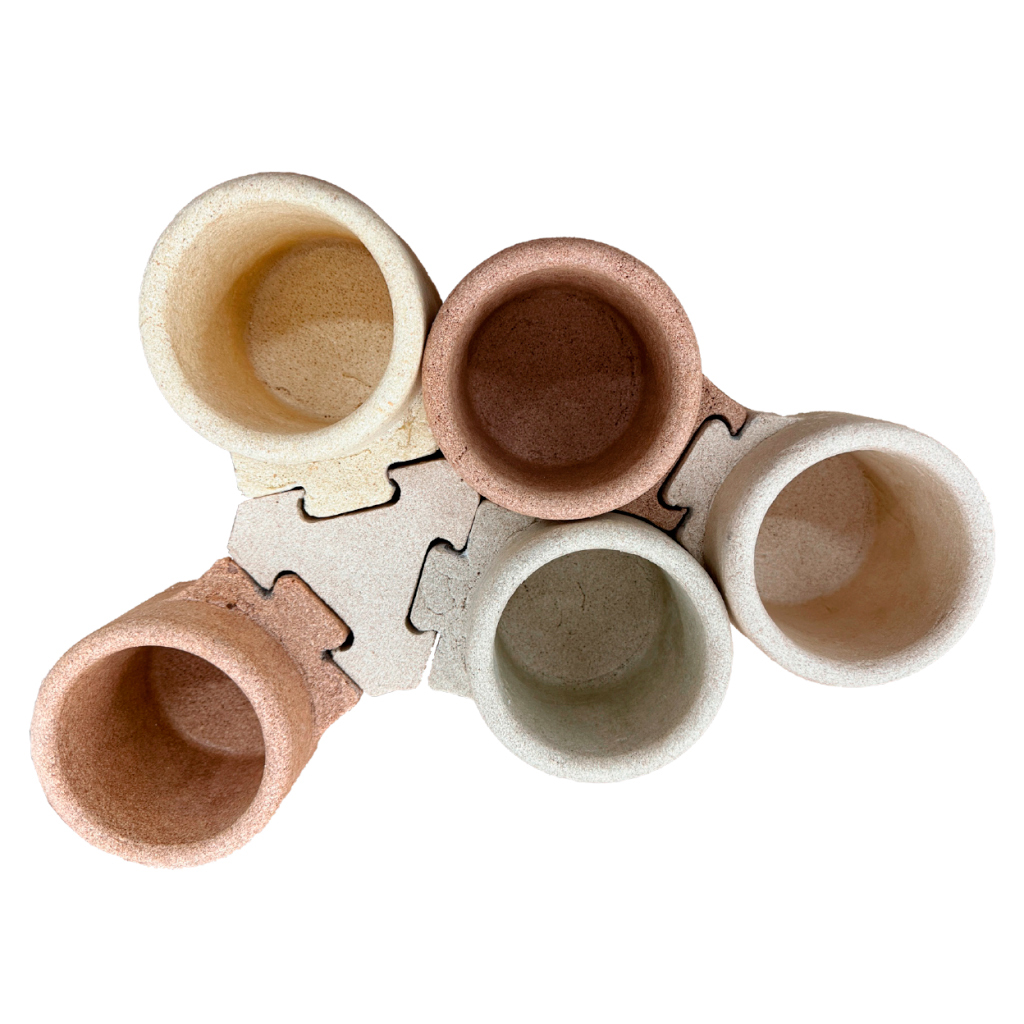
OcaViva: Regenerative Modular Planters from Eggshell Biomaterials
University Center Armando Alvares Penteado – FAAP

OcaViva addresses the environmental challenge posed by the large-scale disposal of eggshells, an abundant organic by-product rich in calcium carbonate but rarely recovered. Belonging to the fields of sustainable product design, biomaterials and the circular bioeconomy, the project transforms eggshell waste into compostable modular planters. By extending the value of an underutilized biological resource and reconnecting users with regenerative gardening practices, OcaViva demonstrates how organic waste can become part of a continuous biological cycle rather than ending up in landfills.

> Discover more

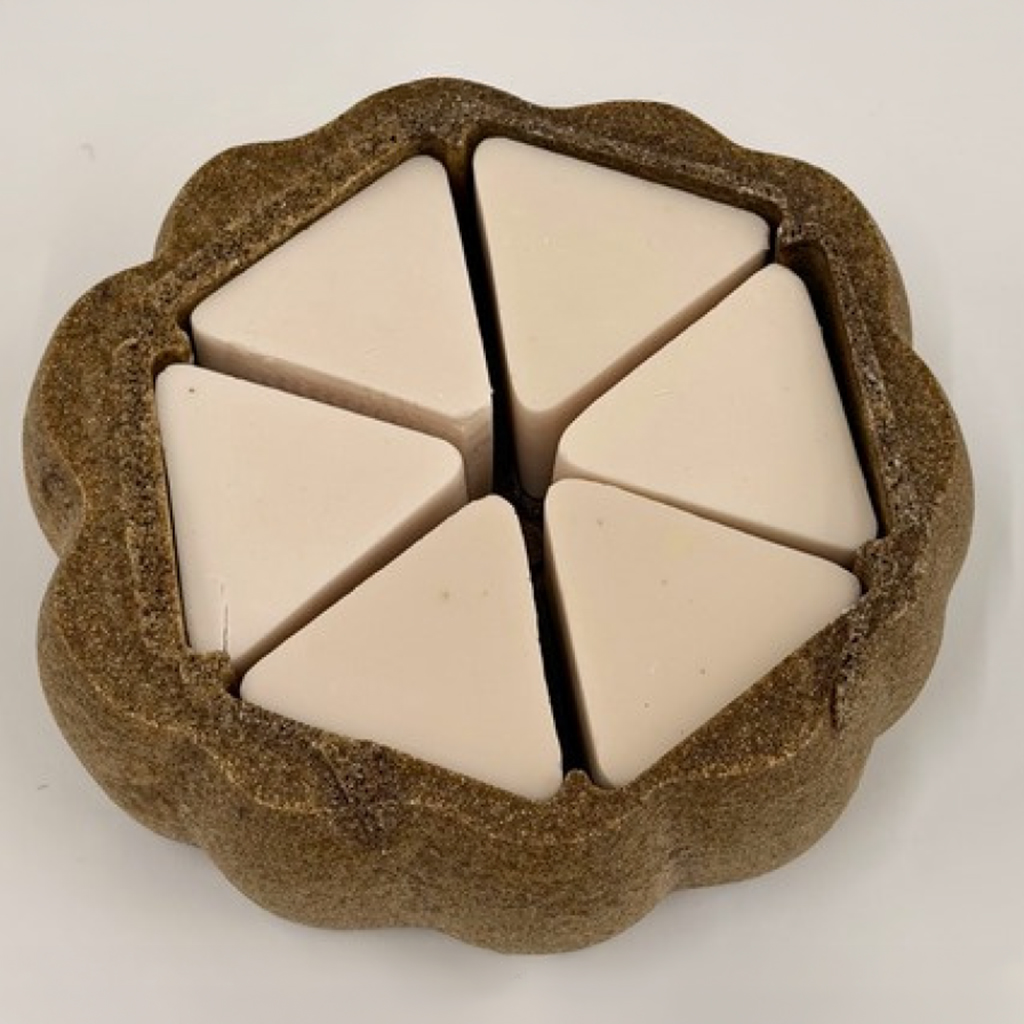
Caldea – Upcycled Passion Fruit Modular Aromatic System for Circular Design

University Center Armando Alvares Penteado – FAAP

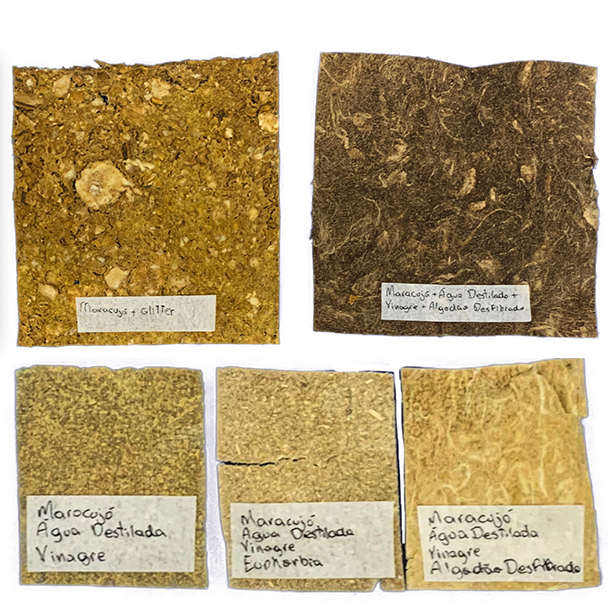
Caldea responds to the large volume of organic waste generated by the passion fruit processing chain, where the majority of the fruit, particularly the peel and seeds, is discarded. Situated at the intersection of food processing and small-scale manufacturing, the project proposes a circular solution that transforms this abundant residue into locally produced biomaterials for everyday objects. By converting waste into meaningful, regionally rooted products, Caldea reduces disposal impacts, fosters local material literacy and creates economic opportunities for small producers and workshops seeking sustainable, context-specific alternatives to petrochemical materials.

> Discover more

Piccoli RAEE, grande Coop
Erion WEEE

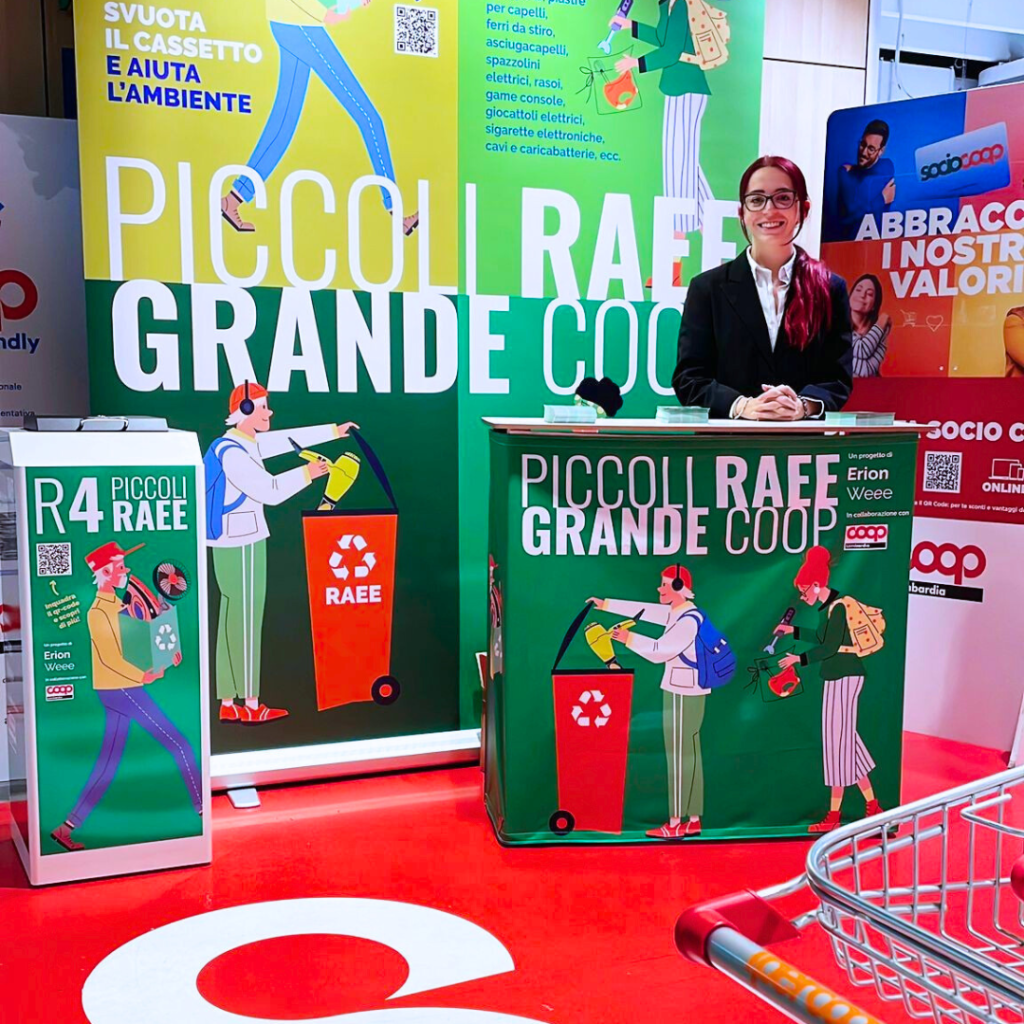
Piccoli RAEE, Grande Coop is a pilot project promoted by Erion WEEE and COOP Lombardia to make it easier for citizens to return small WEEE. The initiative represents an experimental extension of the “the ‘1-for-0’ take-back scheme” service, aimed at promoting the disposal of small WEEE at large-scale retail stores while testing a replicable proximity-based model and raising citizens’ awareness of the correct ways to dispose of their WEEE. Between October and December 2025, the pilot phase of the project involved five Coop stores in Brescia, Legnano, Lodi, Pavia and Treviglio.

> Discover more

Italian LCA Database (Life Cycle Assessment)
ENEA – Italian National Agency for New Technologies, Energy and Sustainable Economic Development

The project stems from the need to establish a National Database for Life Cycle Assessment (LCA) studies, containing representative, verified and high-quality datasets. The Italian LCA Database supports public administrations and businesses in sustainability-oriented decision-making, ecodesign and the circular economy by providing reliable data for the application of the LCA methodology. It supports national and European environmental tools and policies, such as Minimum Environmental Criteria, the Digital Product Passport and environmental labels. The database currently covers the construction, energy, wood and furniture, agri-food and events supply chains, with the aim of progressively expanding into the textile, waste management and chemical sectors.

> Discover more

ICON

Politecnico di Milano

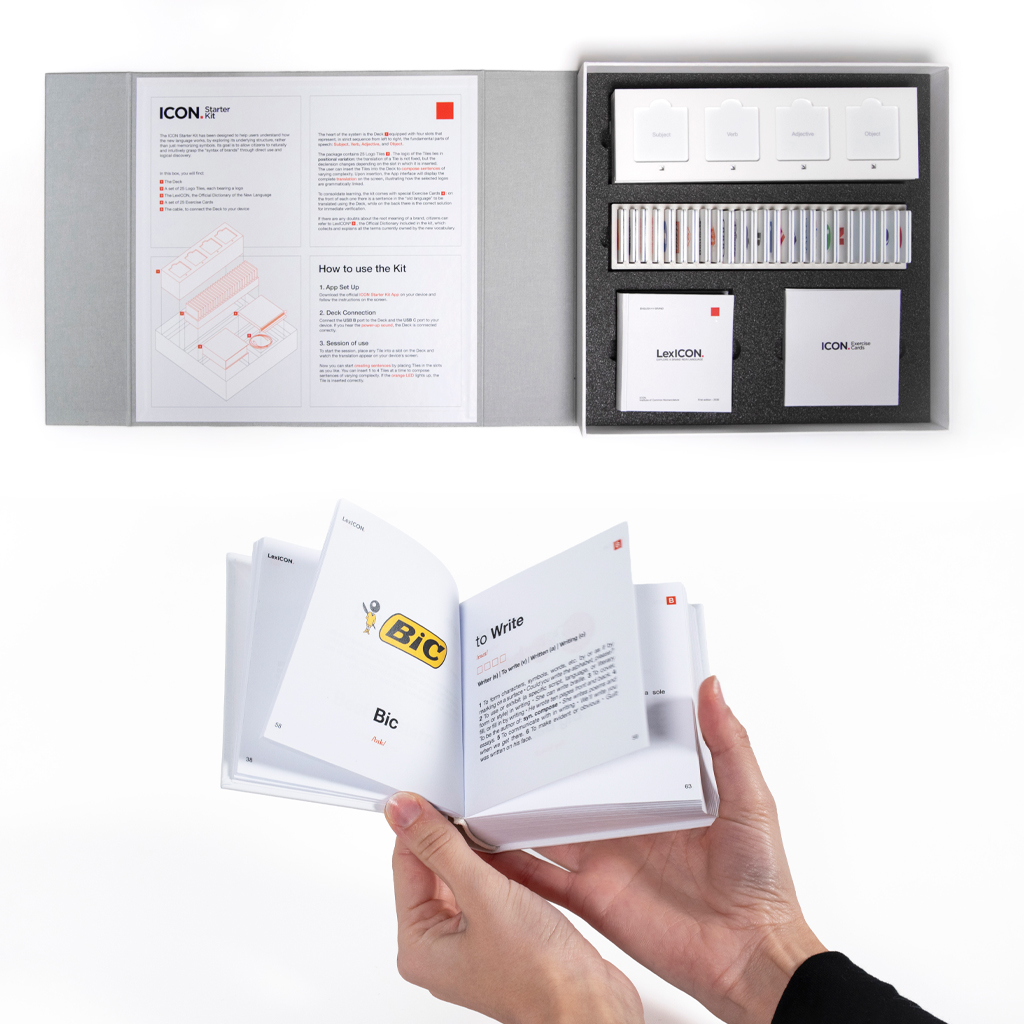
ICON stems from a reflection on the growing power of commercial symbols in shaping language and the perception of reality. The project belongs to the fields of communication design and speculative design and addresses the progressive replacement of words with commercial brands, a phenomenon driven by the simplification of communication and the popularisation of brands. Through a future scenario, the project explores the cultural, social and political implications of the privatisation of language, encouraging critical reflection on the role of symbolic systems in contemporary society.

> Discover more

ARIS: Valorising Agro-Food Waste through Innovative Biodegradable Membranes
ENEA – Department for Sustainability, Circularity and Climate Change Adaptation of Production and Territorial Systems, Sustainable Agri-Food Systems Division – Innovation Laboratory for Agri-Food Value Chains

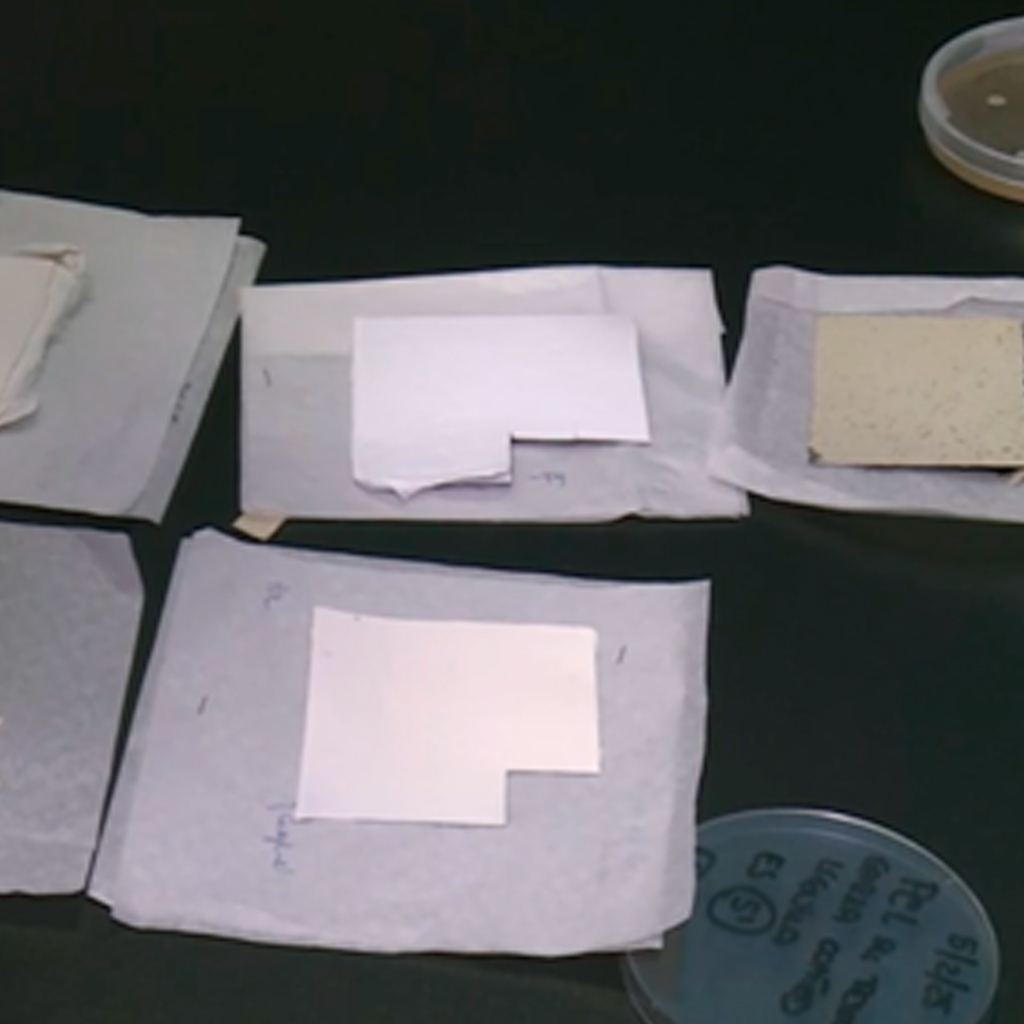
The ARIS project emerged from the need to replace traditional air-quality filters, generally made from non-biodegradable synthetic polymers that generate waste that is difficult to manage at the end of their life cycle. The challenge was to develop high-performance filtering materials obtained from renewable biomass and agro-industrial by-products, combining efficiency, safety and biodegradability. The project operates at the intersection of the agri-food sector, advanced biomaterials, air quality and the circular economy.

> Discover more

MAIA – Advanced Materials, Open Infrastructure

ENEA – Italian National Agency for New Technologies, Energy and Sustainable Economic Development

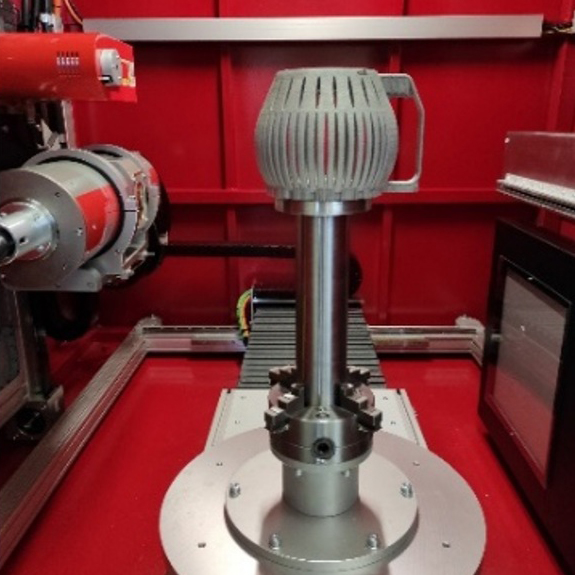
The MAIA project, co-funded by the Lazio Region, emerged from the need to reduce the consumption of virgin raw materials and waste in advanced manufacturing sectors. The infrastructure provides research services and activities in the fields of additive manufacturing and advanced diagnostics, promoting circular production models. The main raw materials used are metal, polymeric and ceramic powders, which enable the production of high-performance components while minimising material waste. At the end of their useful life, these components can be recovered, recycled and transformed back into powders, supporting a potentially continuous reuse cycle and a significant reduction in waste.

> Discover more

OSTĒA – BONE BIO PLASTIC

ISIA Roma Design – Pordenone campus

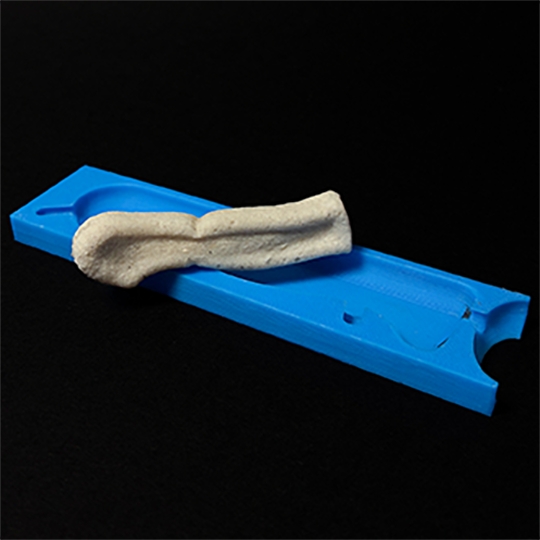
OSTĒA is a biomaterials research project that transforms bone waste from the food supply chain into a sustainable bioplastic. Through sterilisation, crushing and the use of collagen as a natural binder, the material is shaped for design applications. The experimentation includes two variants, OSTĒA White and OSTĒA Black, the latter obtained through the carbonisation of bones. The project valorises an organic residue, promoting the circular economy, waste reduction and material innovation. By integrating scientific research, sustainability and design, OSTĒA proposes new production possibilities and reflects on the cultural value of waste as a resource.

> Discover more

MITIS – Bioplastics from Mussel Shells

ISIA Roma Design – Pordenone campus

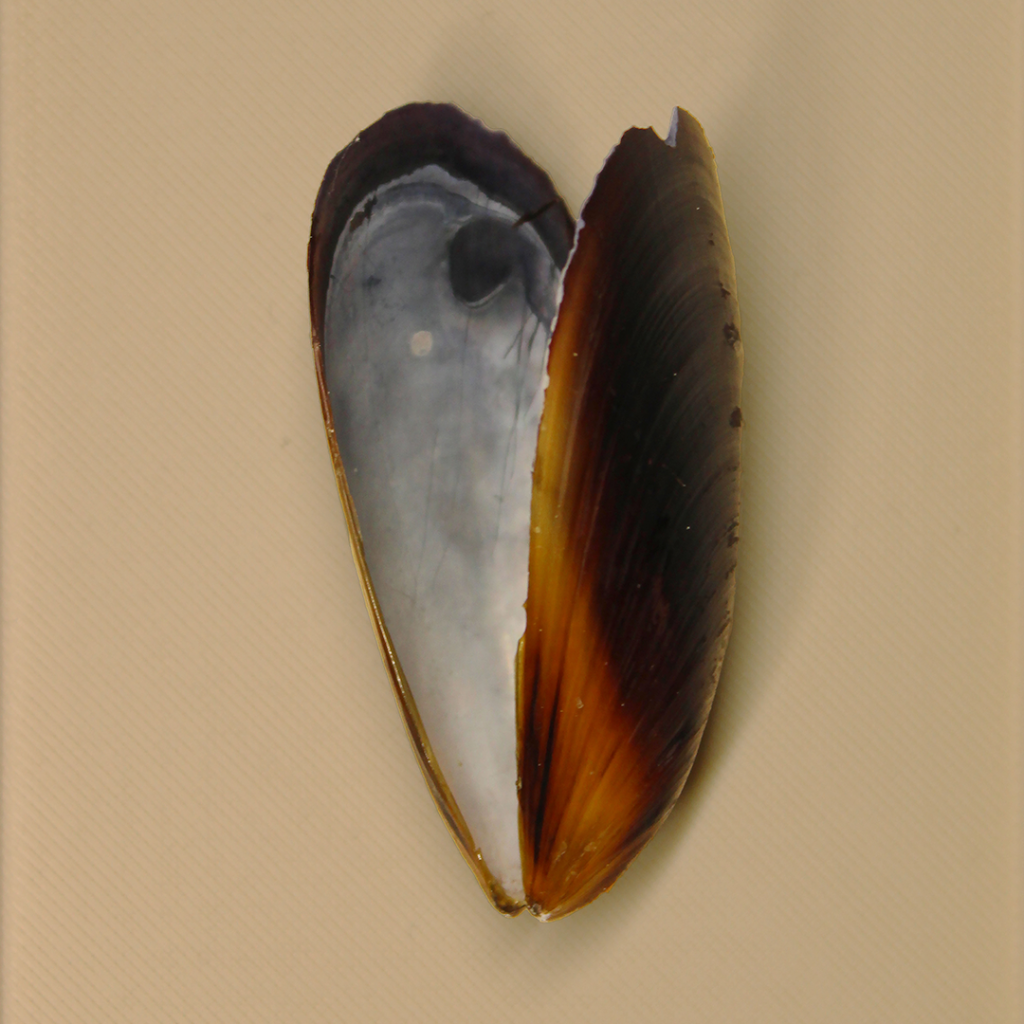
MITIS originates from a critical reflection on the Anthropocene, an era in which human activity has altered natural balances through pollution, resource exploitation and the spread of synthetic materials. The project examines the effects of bottom trawling, ocean acidification and the accumulation of anthropogenic residues, phenomena that threaten marine biodiversity. In response, it proposes an experimental design approach oriented towards a post-Anthropocene perspective, based on the recovery, regeneration and valorisation of biological waste. The objective is to develop sustainable biomaterials from mussel shells, transforming organic waste into an innovative resource for design.

> Discover more

Fruit for Peace Platform. An Agro-industrial Model in the Sahel for Fragile and Conflict States

Università degli Studi della Campania Luigi Vanvitelli – MCF Montecarlofruit – Centre d’Etude et Développement Industriel et Agricole du Mali

The project is situated within the context of Fragile and Conflict States and belongs to the agro-industrial sector. Over time, it has become a productive and social model that can be exported to other areas affected by fragility, abandonment, and conflict. The challenge emerged from optimizing natural mango production in the Sahel, Mali, and turning it into a competitive advantage through the development of cultivation, production, logistics, and social processes.
The project has connected more than 4,300 local farmers, coordinated intercultural work teams, created employment opportunities, and promoted fair and inclusive living conditions, with particular attention to the role of women.

> Discover more

Habitus – A Bite Towards the Future

ISIA Roma Design

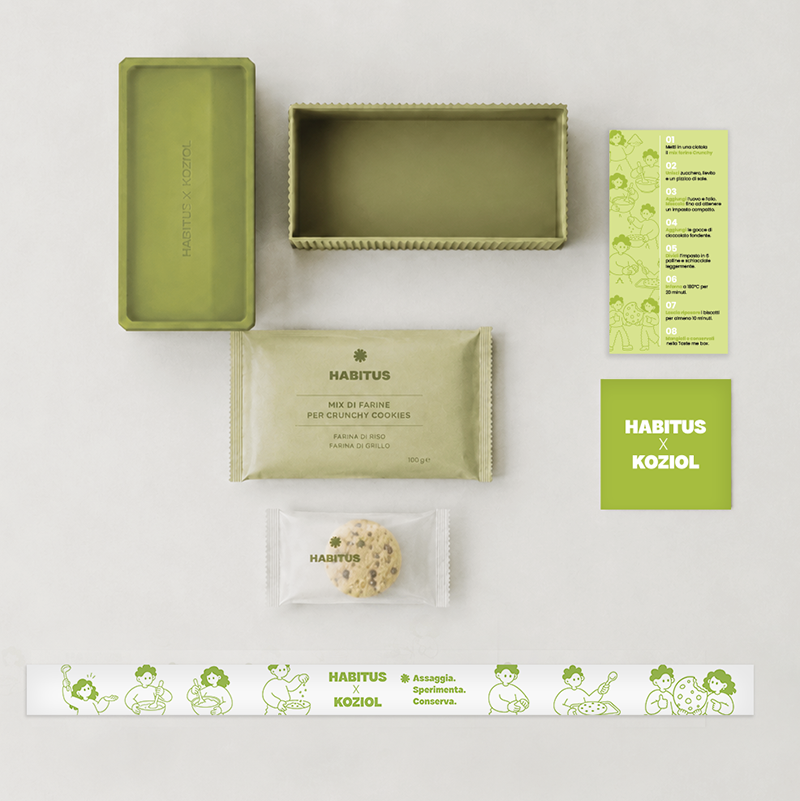
Habitus emerged from the need to rethink the contemporary food system, which is characterized by high consumption of land, water, and energy, biodiversity loss, and waste generation. The project analyzes the agri-food chain and aims to make production and consumption more sustainable through the diversification of food resources.
In particular, it explores the potential of novel foods, such as edible insects, algae, and hydroponic cultivation, focusing on the main barrier to their diffusion: the cultural and perceptual difficulty of accepting foods that are unfamiliar to people’s everyday lives.

> Discover more

Sorami – A Biological System for Air Quality

ISIA Roma Design

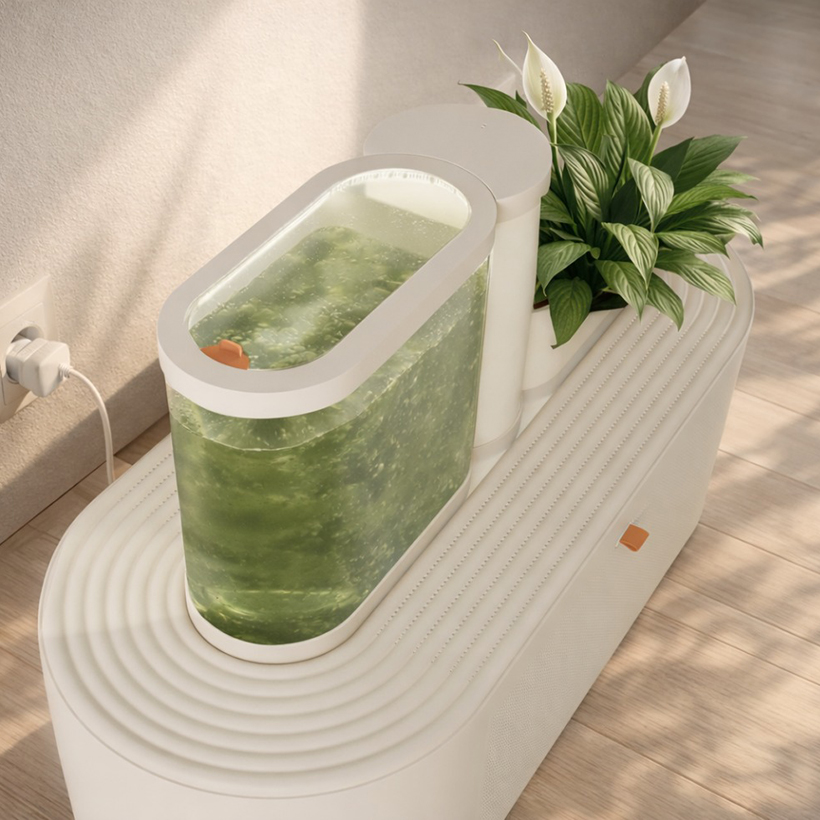
The challenge was to improve air quality by introducing a biological system into people’s lives.
Sorami distinguishes itself by integrating air purification, biotechnology, and plant care into a single domestic system. Unlike conventional air purifiers, it combines a Chlorella vulgaris photobioreactor with HEPA and activated-carbon filtration, transforming purification into a more circular and natural process. Sensors and automated systems monitor air, water, and soil, managing liquid replacement and nutrient supply. The experience is completed by an app and a maintenance and replenishment service, making Sorami not merely a product but an ongoing environmental well-being system.

> Discover more

Olea – Shared Wellbeing

Isia Roma Design

Olea stems from the challenge of making the relationship between people, nature and everyday consumption more circular. The project proposes a model based on the cultivation, reuse and transformation of plants, aiming to reduce waste and limit reliance on single-use and pre-packaged products.

> Discover more

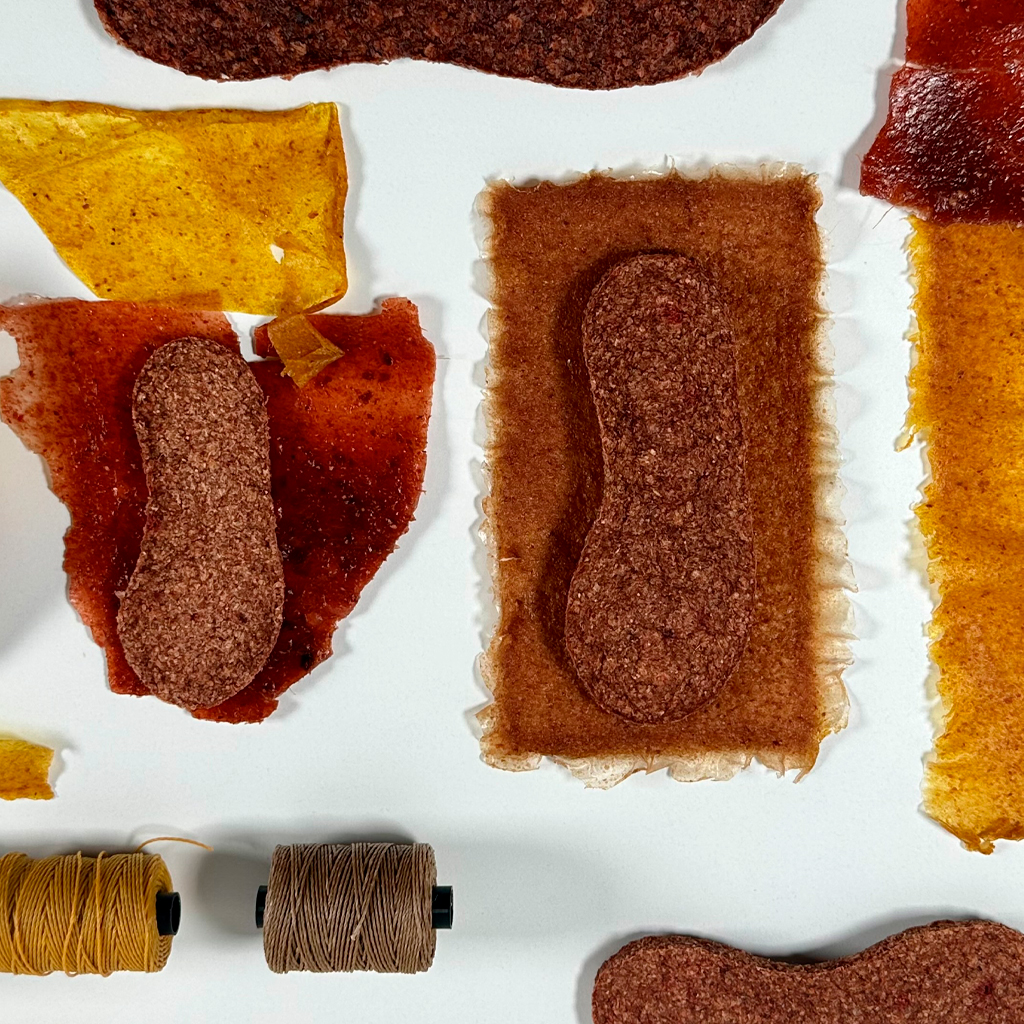
SUELA: Biodegradable School Shoes from Peanut Shell Waste

Universidad de San Andrés

SUELA addresses two interconnected challenges in Córdoba, Argentina: the underutilization of peanut shell waste from the agroindustrial sector and the lack of adequate school footwear among children in vulnerable rural communities. Argentina produces large volumes of peanut shells every year, with limited valorization pathways. At the same time, the lack of proper footwear can become a barrier to school attendance. SUELA belongs to the footwear, biomaterials, agro-waste valorization, and social-impact design value chains, proposing to transform a local residue into biodegradable school footwear for children.

> Discover more

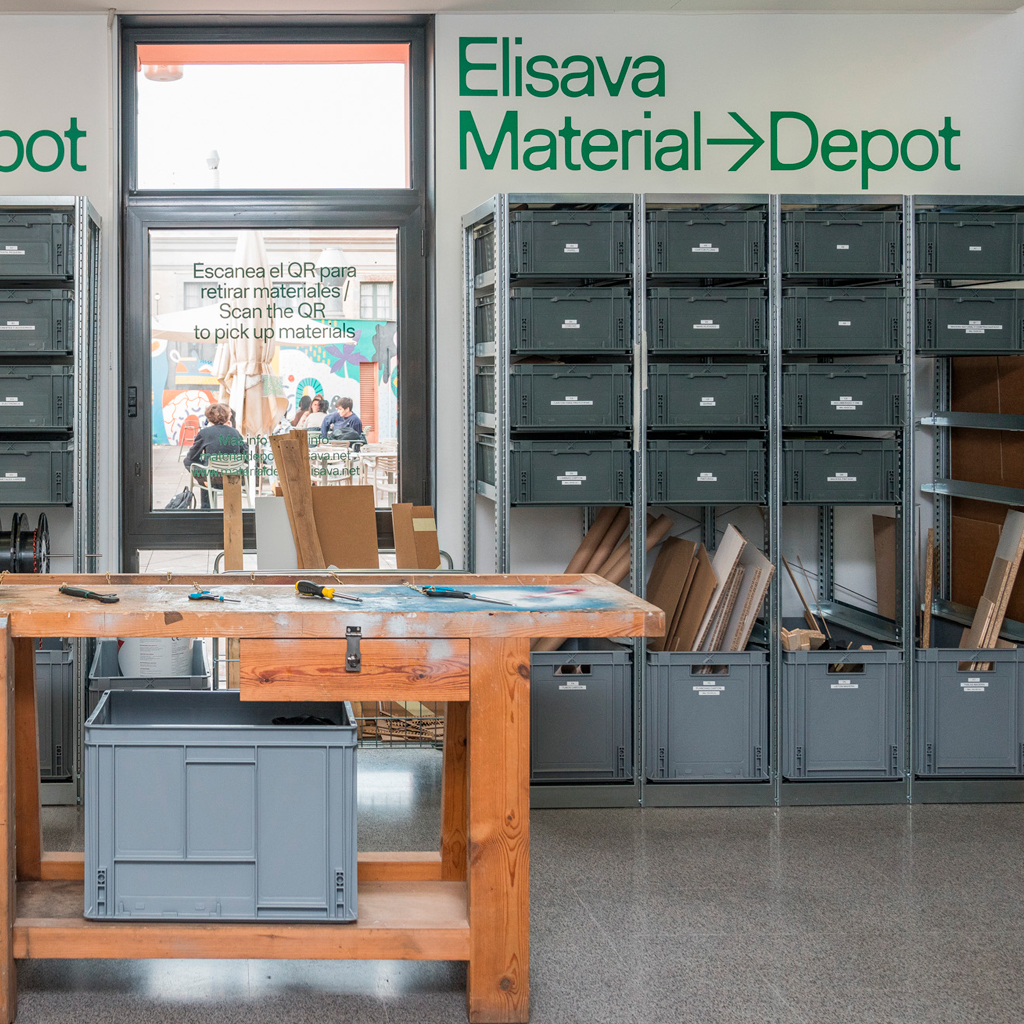
Elisava Material Depot

ELISAVA, Barcelona School of Design and Engineering

Design schools generate a significant amount of waste during prototyping and experimentation activities. Designers also define how future users relate to the products they develop and are therefore indirectly responsible for future waste generation.
To reduce waste generation at Elisava, the Elisava Material Depot centralizes the storage and redistribution of reusable materials from university activities. Students donate materials they no longer need, while a student assistant organizes them into labeled drawers and registers them weekly in an online catalog. Students and teachers can use any material available in the Depot free of charge.

> Discover more

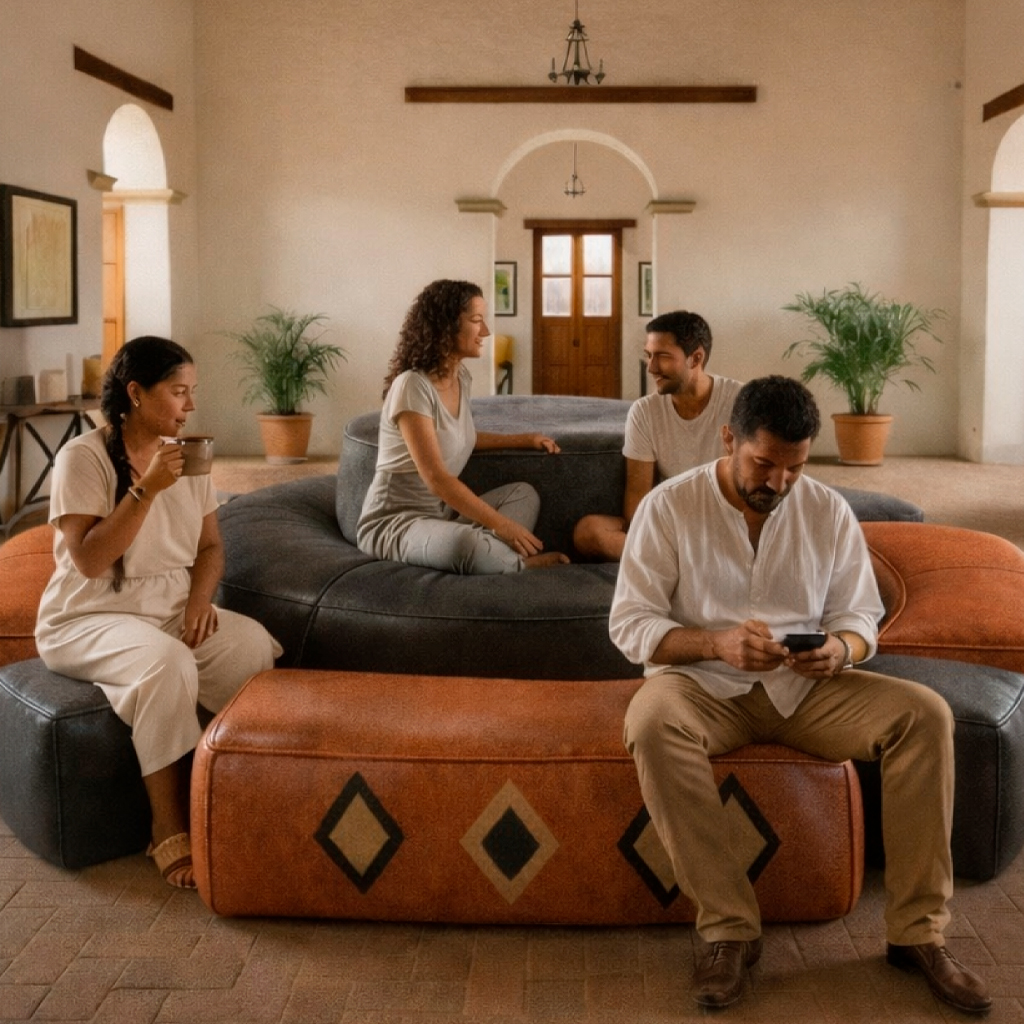
TUCMA: Modular Seating Made from Textile Waste and Filled with Rice Husks

Universidad de San Andrés

The Diaguita are the predominant Indigenous people of Tucumán, Argentina, and their presence in the territory predates the province’s colonial foundation. While researching Tucumán’s contemporary identity, the project team observed that its architecture and urban design are largely shaped by a colonial aesthetic, with little visible representation of these communities. Addressing this absence became the project’s central challenge.
As the project involved cotton waste from Santista, a textile company with a manufacturing plant in Tucumán, the team engaged in dialogue with artisans from the Ruta del Tejido cooperative in the Calchaquí Valleys to understand how they experienced this invisibility.

> Discover more

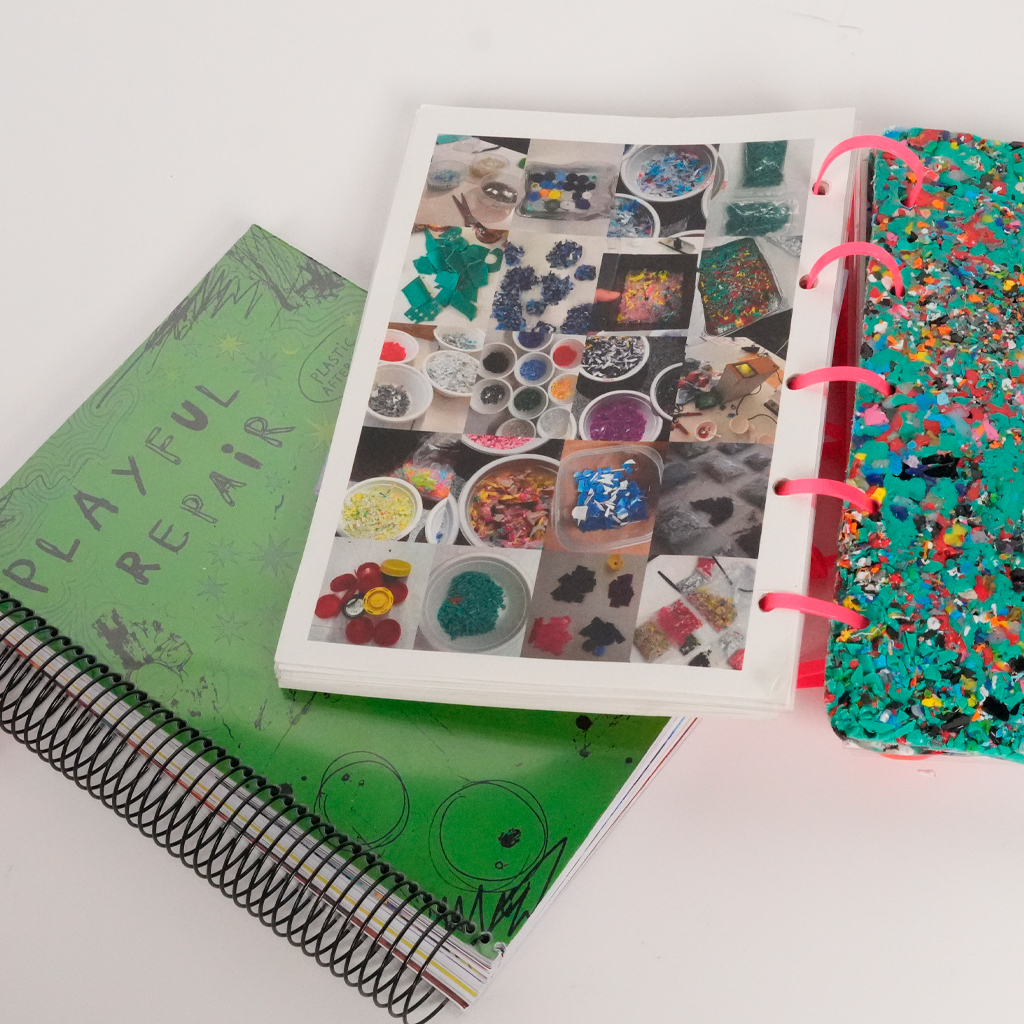
Playful Repair: Building a Repair Language for Plastic

ELISAVA School

Plastic furniture is often discarded after minor damage because plastic lacks an established repair culture. Unlike wood, ceramics, or textiles, repair methods for plastic are usually limited to adhesives or replacement, encouraging disposal rather than continued use.
This project addresses the challenge of extending the lifespan of plastic furniture by introducing a new repair language using recycled plastic. It belongs to the furniture and materials sectors, contributing to circular design by promoting repair, reuse, and material recovery instead of replacement.

> Discover more

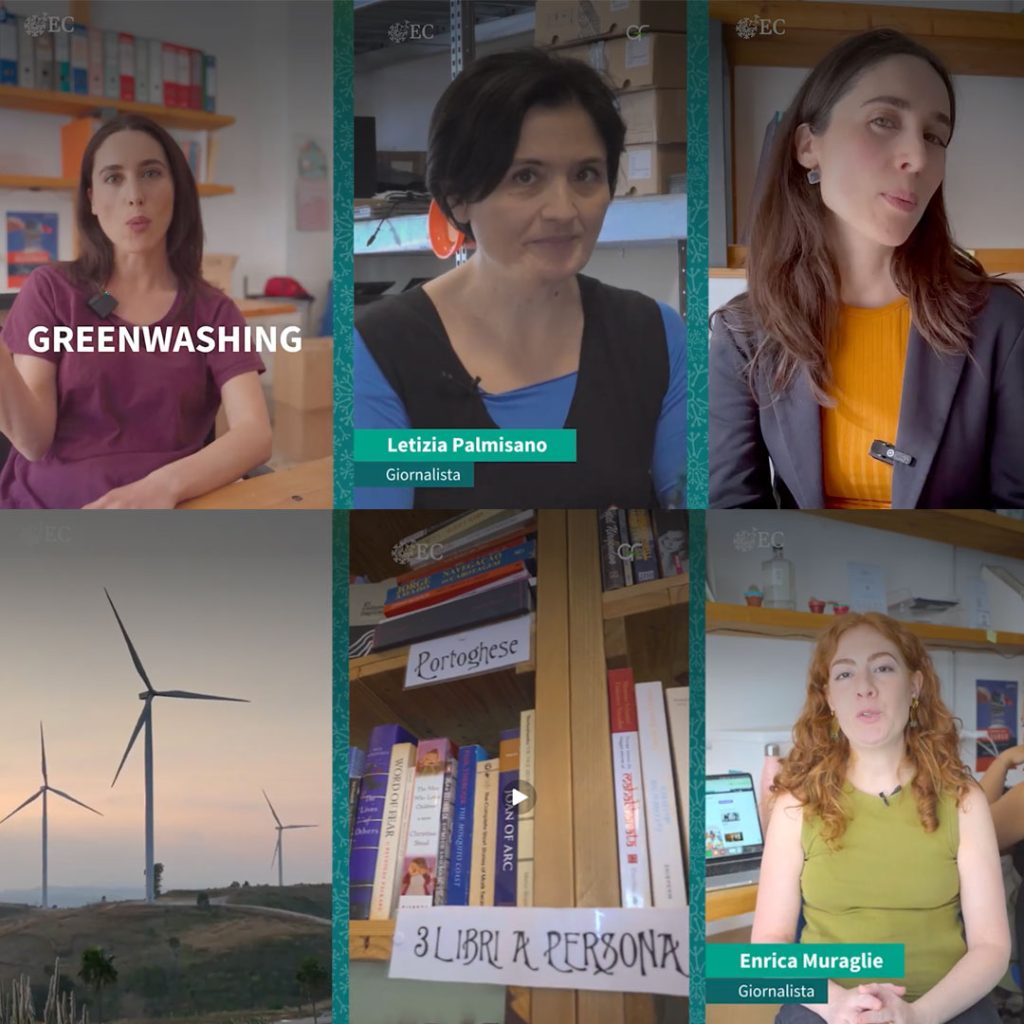
The Circular Economy in the Digital Age:
A Multimedia Perspective on the System

Economia Circolare

The circular transition involves interconnected systems – from resource use and technology to policy, business and waste – but these dimensions are often communicated separately. The project responds to the need for a more systemic understanding of circularity through accessible multimedia information. It belongs to the communication, information and education sector, with a focus on the circular economy and the environmental transition.

> Discover more

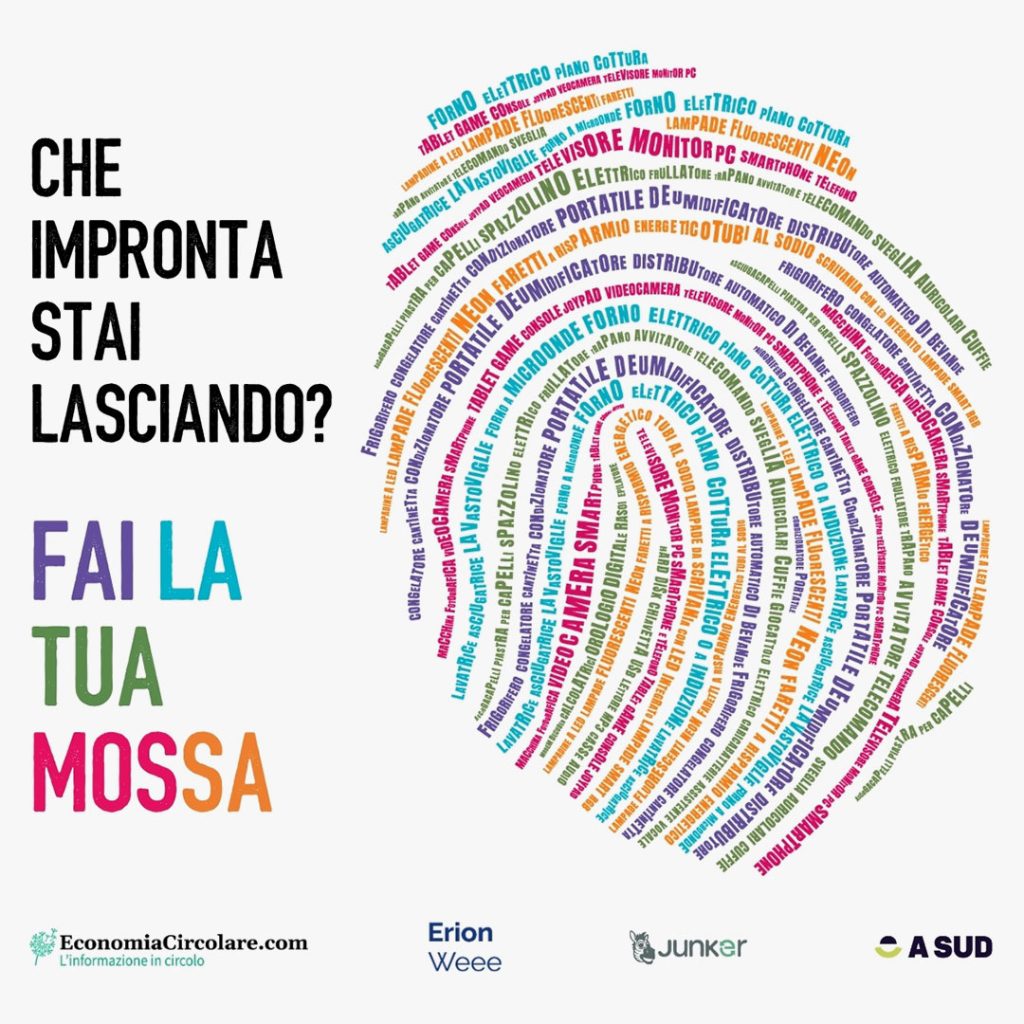
Campagna RAEE – Fai la tua mossa

Economia Circolare

The campaign addresses the gap between the widespread use of electrical and electronic equipment and awareness of its correct end-of-life management. The challenge concerns the WEEE value chain: preventing unnecessary disposal through repair and reuse, and ensuring correct collection when equipment can no longer be used. The campaign targeted primarily people aged 25–45, while also involving younger and older groups to adapt messages and communication formats to different audiences.

> Discover more

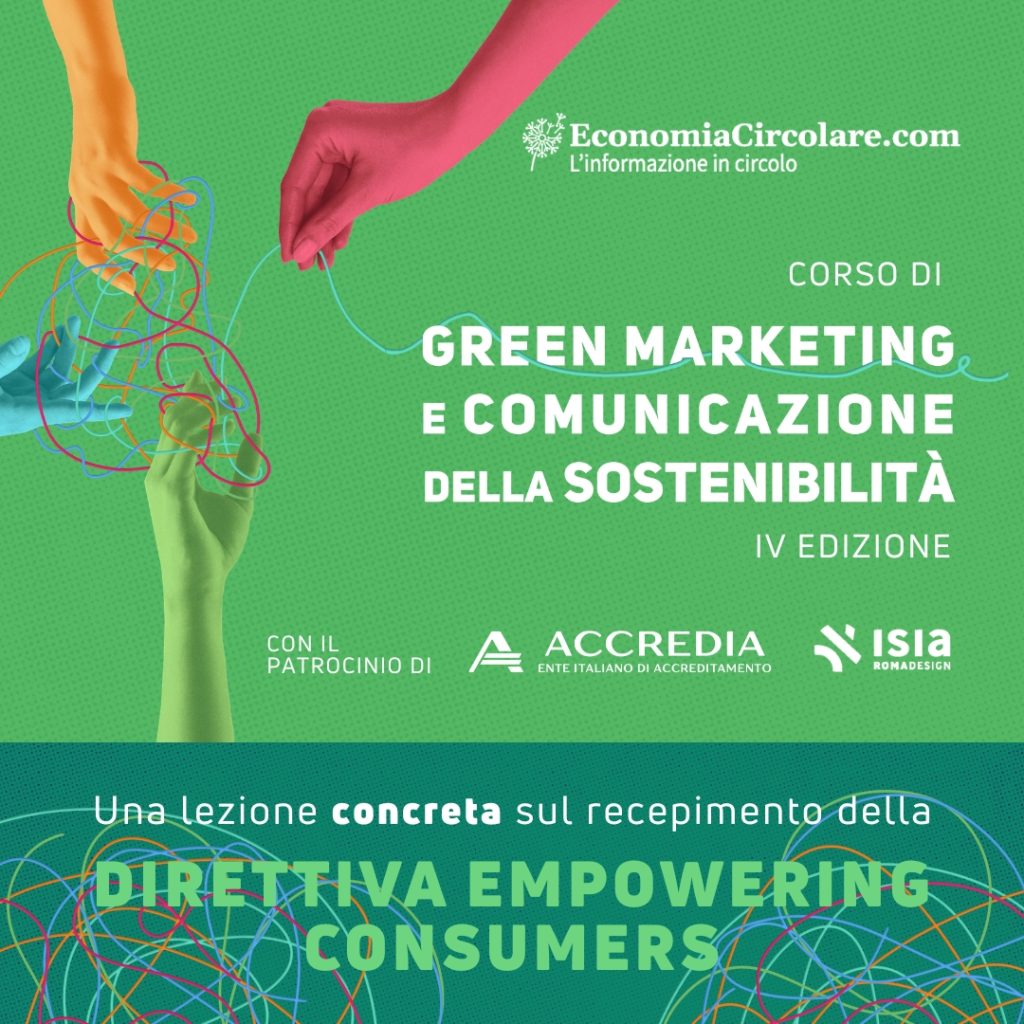
Green Marketing and Sustainability Communication

Economia Circolare

The growing demand for environmental and social communication creates a need for credible, transparent and verifiable sustainability claims. At the same time, organisations must navigate an evolving regulatory framework and avoid greenwashing. The project belongs to the communication, education and sustainable business sectors and addresses the challenge of developing professional skills for communicating environmental and social commitments accurately and effectively.

> Discover more

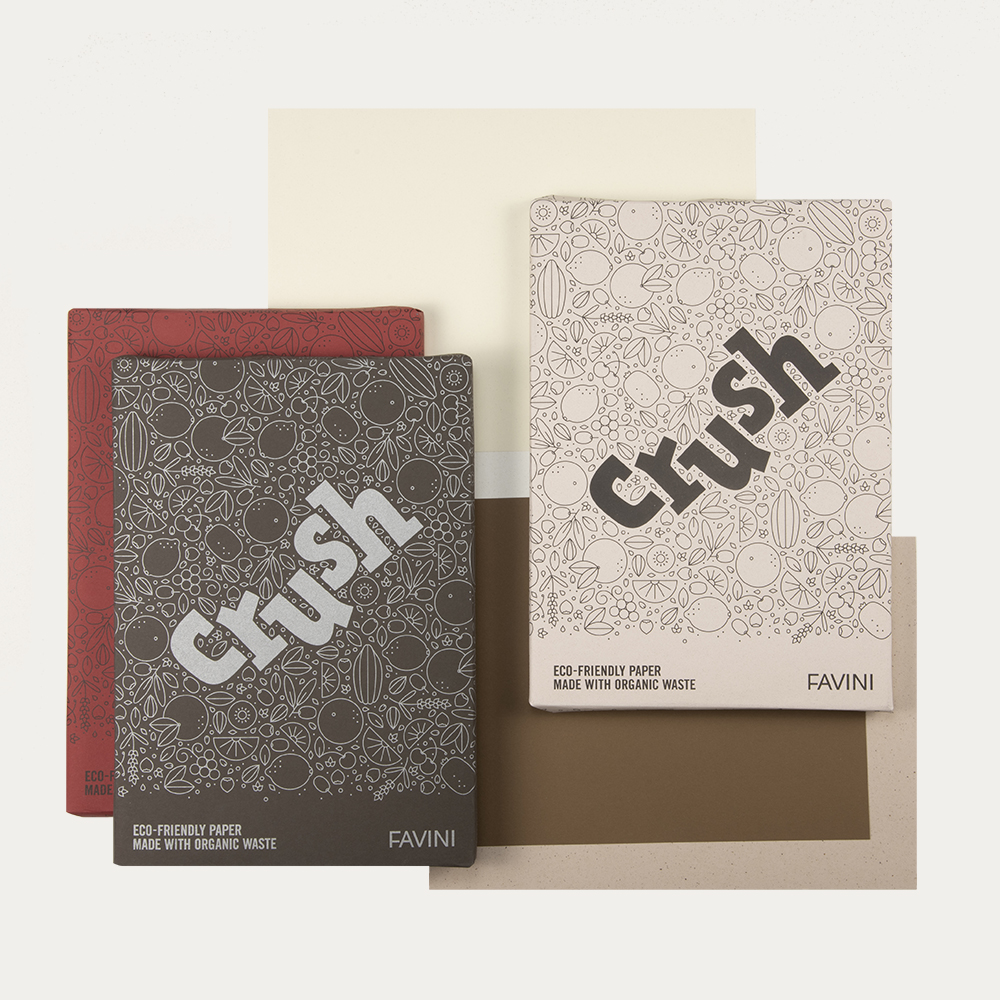
Crush Agrumi: From Agro-industrial By-products to Paper

Favini

Crush Agrumi addresses the challenge of valorising agro-industrial by-products by transforming residues from citrus processing into a resource for high-quality paper production. The project belongs to the fields of circular economy, upcycling and material innovation. Depectinised citrus pulp, a residual material generated after successive stages of citrus valorisation, is recovered and used as an alternative raw material, replacing part of the conventional wood-derived cellulose. Crush Agrumi is part of Favini’s broader Crush paper range, developed through the recovery of different agro-industrial by-products.

> Discover more

Do you have an eco-innovative project?

Become a partner of Intelligenza Circolare and present your eco-innovative project to a strategic network of EU institutions and key stakeholders in the twin transition!